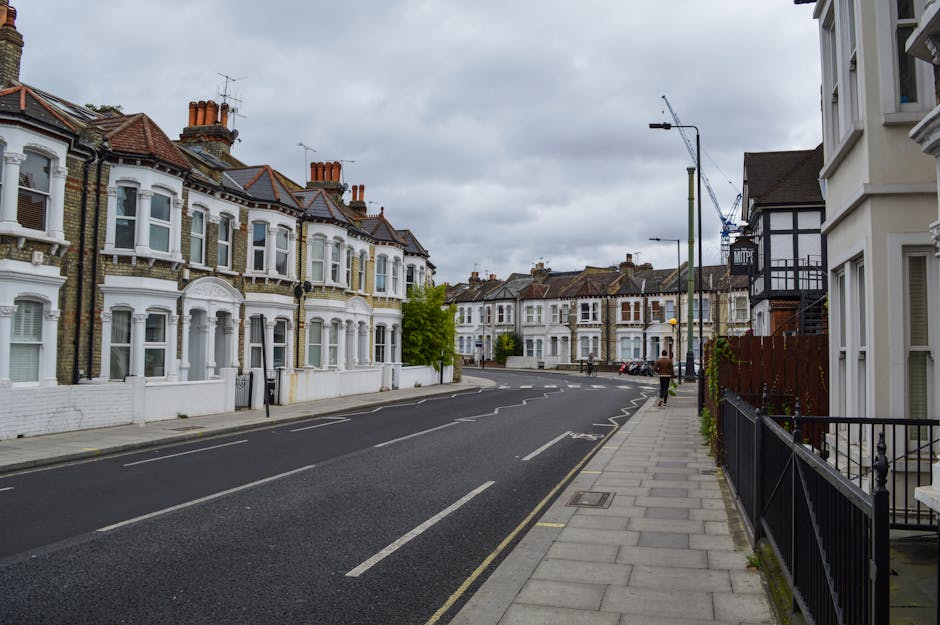
Narrow street access in Bounds Green trusted removals solutions
Moving on a tight London street can feel straightforward on paper and awkward in real life. A van looks small until it meets a row of parked cars, a blind corner, a low tree branch, and a front door that opens straight onto the pavement. That is exactly why narrow street access in Bounds Green trusted removals solutions matters so much: it is not just about getting boxes from A to B, but about doing it safely, legally, and without turning moving day into a traffic puzzle.
If you are planning a move in Bounds Green, especially on busier residential roads or narrow side streets, the right removals setup can save time, protect your belongings, and reduce stress. In this guide, we will look at what access challenges actually mean, how experienced movers work around them, what to watch out for, and how to choose a service that feels calm, careful, and properly organised. Truth be told, the difference between a smooth move and a messy one is often a few small decisions made before the van arrives.
There is a reason local knowledge matters here. A team that understands parking, route planning, building access, and the quirks of North London streets is already halfway to a better move. The rest is planning.
Table of Contents
- Why Narrow street access in Bounds Green trusted removals solutions Matters
- How Narrow street access in Bounds Green trusted removals solutions Works
- Key Benefits and Practical Advantages
- Who This Is For and When It Makes Sense
- Step-by-Step Guidance
- Expert Tips for Better Results
- Common Mistakes to Avoid
- Tools, Resources and Recommendations
- Law, Compliance, Standards, or Best Practice
- Options, Methods, or Comparison Table
- Case Study or Real-World Example
- Practical Checklist
- Conclusion
- Frequently Asked Questions
Why Narrow street access in Bounds Green trusted removals solutions Matters
Narrow street access is not a niche inconvenience. It changes almost every part of a move. If the road is tight, parking is limited, or the property sits on a street where large vehicles struggle to turn, the removals plan has to adapt. In Bounds Green, that often means working around terraced housing, parked vehicles, controlled parking zones, busy commuting times, and properties where access feels a bit squeezed from the outset.
Why does this matter so much? Because access problems affect three things at once: time, safety, and cost. If the van cannot stop near the door, everything takes longer. If the route from property to vehicle is awkward, the risk of bumping walls, scuffing furniture, or straining backs goes up. And if the job takes longer than expected, you can end up paying for avoidable delay. Not ideal, obviously.
Trusted removals solutions are designed to reduce that friction. They are not just a van with a driver. They involve a methodical approach: planning the vehicle size, checking loading access, considering the street layout, assessing parking options, and deciding whether extra handling equipment or a smaller shuttle vehicle will help. That level of planning is especially useful in residential areas where a few metres can make a big difference.
There is also a trust element. You want a mover who will be honest if your street is not suitable for a long wheelbase van, or if a more compact vehicle would actually be smarter. Good advice may not always sound glamorous, but it saves headaches later. In our experience, the best removals jobs often start with a very ordinary conversation about kerb space, doorway width, and where the van can legally pause. Sounds dull. It is not dull when you are standing there at 8:15 in the morning with a wardrobe and no room to swing it.
How Narrow street access in Bounds Green trusted removals solutions Works
A well-run move on a tight street usually follows a simple logic: assess, plan, protect, move, and check. The details matter, though, because narrow access leaves less room for improvisation.
1. Access assessment before moving day
The first step is understanding the property and the road. A mover may ask about:
- street width and parking conditions
- distance between the property and the nearest stopping point
- stairs, steps, or sharp turns inside the building
- whether furniture must pass through tight hallways or shared entrances
- time restrictions, loading spaces, or permit needs
Sometimes a quick photo or video call is enough. Other times, a site visit makes sense, especially for larger homes, awkward furniture, or moves involving multiple stops. The point is not to overcomplicate it. The point is to remove surprises.
2. Choosing the right vehicle and crew
Not every move needs a big van. In fact, on narrow streets, a smaller or mid-sized vehicle can be much better. It may be easier to position, easier to reverse, and less likely to block traffic. For larger loads, movers may use a combination of vehicles or a staged loading approach. That is a practical solution, not a downgrade.
The crew size matters too. A two-person team may be enough for a straightforward flat move, but a third pair of hands can make a real difference when furniture must be carried from a distance or down multiple flights of stairs. You do not want people rushing because the van is waiting awkwardly around the corner.
3. Protecting the property and the load
Trusted removals teams tend to work with blankets, straps, trolleys, sliders, and protective wraps to reduce risk. On narrow streets, the loading path is often the danger zone, not the van itself. Door frames, railings, corners, and pavements are the places where minor damage tends to happen if nobody is thinking ahead.
A competent team will also think about the weather. Rain on a narrow pavement can turn a careful lift into a slippery shuffle. It happens. A wet morning in London has a way of testing everyone's patience.
4. Managing timing and street conditions
Timing can be everything. Early morning may mean quieter roads. Midday may make parking worse but traffic more predictable. In some cases, moving just outside peak periods is a sensible choice. If the street fills up quickly, the mover may arrange to arrive early and secure a workable stopping point before the area gets busier.
For larger or more complex moves, that timing can be combined with a staged strategy. One team member may manage the van while others ferry items from the property. It looks simple from the outside. In practice, it is a small choreography, and not everyone can pull it off neatly.
Key Benefits and Practical Advantages
Using a removals service that understands narrow street access in Bounds Green gives you more than convenience. It gives you control.
- Less stress on moving day: you do not have to invent a plan while carrying a mattress.
- Lower risk of damage: careful positioning and handling reduce knocks, scrapes, and awkward lifts.
- Better time management: fewer delays caused by parking problems or unsuitable vehicle size.
- Safer lifting: shorter carry distances and smarter route planning reduce strain.
- More flexible solutions: small-vehicle access, shuttle loading, and tailored crew sizes can all help.
There is another benefit people sometimes overlook: peace of mind with neighbours and traffic. A good team will try to keep disruption down. On a narrow road, that matters. Nobody wants to be the person blocking a bin lorry or a delivery van for half an hour.
Trusted movers also tend to communicate better. They tell you what is realistic, what might be slow, and what needs your input beforehand. That honesty is valuable. It means fewer surprises and fewer last-minute scrambles for keys, permits, or parking space.
Expert summary: The best narrow-street removals are not necessarily the fastest-looking ones. They are the ones that stay calm, avoid congestion, and keep the load and the property protected from the start.
Who This Is For and When It Makes Sense
This kind of removals support is useful for a lot of people, not just those on the narrowest roads in the area. If any part of your move has limited access, it is worth thinking this way.
Home movers
If you are moving from a terraced house, maisonette, top-floor flat, or property with limited parking, the challenge is usually not the volume alone. It is the route. A sofa may fit in the van just fine and still be difficult to move out through a tight hallway or down a short, steep front path.
Tenants and landlords
Tenancy deadlines can make the whole thing feel rushed. If there is a fixed handover time, a service that handles access constraints well can help you avoid late checkouts and awkward conversations with an agent or landlord. That is especially true if items must be removed quickly at the end of a lease.
Small businesses
Office or stock moves on narrow roads need tidy planning. Computer desks, boxes of paperwork, and equipment do not just appear ready to move. If your building sits on a tight street, the removal team needs to know in advance how to stage the lift and where the van can sit without causing chaos.
People with heavy or awkward items
Pianos, wardrobes, large mirrors, and bulky furniture are a different story altogether. In these cases, the access issue is often as important as the item itself. For more delicate or oversized objects, some customers also look at piano removals or furniture-specific support such as furniture removals.
It is also a sensible choice if you simply do not want to gamble. Let's face it, moving day already has enough variables. You do not need to add "Will the van fit?" to the list.
Step-by-Step Guidance
If you want the move to run properly, this is the sort of process that usually pays off. Nothing flashy. Just good, boring planning. And boring planning is wonderful on moving day.
Step 1: Measure and note the access points
Check the width of the street where the van might stop, the space outside the property, and any tight turns or obstacles. Notice whether there are lampposts, low branches, or parked cars that could affect loading. If you live in a flat, include stair widths, lift sizes, and entry codes.
Step 2: Be honest about the furniture
List the awkward items early. Big wardrobes, beds, white goods, shelving, and anything fragile should be flagged. A removal team can only plan properly if they know what they are dealing with. A box of books is one thing; a bulky corner sofa is another.
Step 3: Ask about vehicle choice
On narrow roads, the smallest suitable vehicle is often the smartest one. Ask whether a compact van, a mid-sized removal van, or a two-vehicle plan is better. If you are comparing service types, the difference between a standard man and van option and a larger removal truck hire setup can matter more than people expect.
Step 4: Arrange parking and permits where needed
If you need a legal place for the vehicle to wait, sort it early. In some parts of London, parking arrangements can shape the whole move. If you are unsure about local parking realities, a move planning conversation is worth having before the date, not during it. A tiny delay at the start can snowball surprisingly fast.
Step 5: Prepare the property
Clear halls, remove loose rugs, protect flooring if needed, and make sure the route from room to van is free from clutter. If the building is awkward, packing and stacking matters even more. Some people find help with packing and unpacking services useful when time is tight or the move is complex.
Step 6: Load in the right order
Heavy or fragile items should not be buried under random boxes. The team should think ahead about what comes out first at the destination, especially if unloading space is restricted there too. A neat load is not just tidy. It saves time later.
Step 7: Check the arrival point too
Narrow street access is not only a problem at pickup. If your new place also has awkward access, the whole strategy needs to account for both ends of the journey. That is where careful planning becomes genuinely useful rather than just nice to have.
Expert Tips for Better Results
Here are the things that tend to make the biggest difference, even if they sound minor at first glance.
- Share photos early: a quick image of the road, doorway, and staircase can save a lot of guesswork.
- Use a smaller vehicle if space is tight: this often works better than trying to force a larger van into a bad stop.
- Move valuables separately: passports, keys, medication, and documents should stay with you, not in the main load.
- Label fragile and urgent items clearly: simple labels help the crew prioritise, especially when space is limited.
- Plan for a backup parking spot: narrow roads have a habit of filling up at the worst possible moment.
- Keep neighbours informed if needed: a quick heads-up can prevent friction if shared access or frontage is involved.
One small but important tip: do not assume the shortest route is the best route. Sometimes the van may need to approach from a different direction because of a one-way system, parked cars, or a turning issue. The clever move is the one that looks slightly less direct but works first time.
If you are moving a whole home, consider whether decluttering beforehand could reduce the number of trips. The fewer objects to shift, the fewer chances for something awkward to snag on a doorway. A simple purge can make a huge difference. You might even feel oddly relieved when the pile of "things to keep" gets smaller. A rare joy, but a real one.
Common Mistakes to Avoid
Most access-related problems are preventable. They usually come from assumption rather than bad luck.
Assuming a large van will always be more efficient
On a wide industrial estate, maybe. On a narrow Bounds Green street, not necessarily. A larger vehicle can create parking and turning issues that slow everything down.
Not checking for permit or parking restrictions
A move can unravel quickly if the driver cannot stop legally near the property. Even if the area looks quiet, restrictions may still apply. Better to check than to guess.
Forgetting about the route inside the property
People often focus on the road and forget the hallway, stairs, and door frames. Yet that is where a lot of the practical difficulty actually sits. A tight stairwell can be more of a problem than the street itself.
Leaving packing until the last night
Rushing makes awkward access worse. If boxes are half-sealed and furniture is still being dismantled as the van arrives, the whole schedule starts slipping. Been there? Most people have, and it is rarely the fun part.
Not telling the mover about the awkward stuff
If there is a piano, a heavy freezer, a fragile mirror, or a basement storage unit, say so early. Movers can only plan for what they know. Hidden surprises are expensive in the most inconvenient way.
Ignoring the weather
Rain, icy patches, and early morning damp can make tight access even trickier. A smart mover will prepare for it, but you should too.
Tools, Resources and Recommendations
You do not need fancy kit to manage a narrow access move well, but a few practical tools make life easier.
| Tool or resource | What it helps with | Why it matters on a narrow street |
|---|---|---|
| Measuring tape | Checking doorways, stair widths, and furniture clearance | Prevents last-minute surprises with bulky items |
| Phone photos or video | Showing the street, frontage, and awkward corners | Helps the removal team assess access before arrival |
| Labels and marker pens | Organising boxes and prioritising fragile items | Makes unloading faster when space is tight |
| Furniture blankets and straps | Protecting surfaces and securing items in transit | Reduces damage during short but tricky carries |
| Trolley or dolly | Moving heavy items over short distances | Useful when the van cannot stop directly outside |
For people who want to reduce the amount of moving-day chaos, light packing support can be worth it. Packing and boxes services can help when you are short on time, while removal services more broadly can cover a fuller end-to-end move. If you need a smaller-scale solution, a removal van may be the best fit for the street conditions.
For larger homes or business moves, a more complete planning package may be worthwhile. And if you are unsure how much support you need, it is often smarter to speak openly about the access challenge first. A good quote is one that reflects reality, not optimism.
Law, Compliance, Standards, or Best Practice
Moving in a London neighbourhood means working within normal road, parking, and safety expectations. You do not need to become an expert in transport rules overnight, but you should understand a few basics.
First, parking and loading should be handled lawfully and sensibly. If a vehicle needs to stop on a restricted street, the mover should know how to manage that properly and should not leave you guessing. Second, lifting and carrying should follow safe manual handling practices. That means proper teamwork, sensible loads, and no heroic solo lifts when two people would be the smarter choice. The back only gets one go, after all.
Professional movers should also use reasonable care to protect your property and their own staff. That includes clear communication about fragile items, stair hazards, low ceilings, and slippery surfaces. If you are hiring a company, it is wise to look for clear terms, insurance awareness, and straightforward communication. Services such as insurance and safety and a visible health and safety policy show that the business has thought about these issues in advance.
Best practice is simple: plan honestly, move safely, avoid blocking access longer than necessary, and keep everyone informed. If waste or unwanted items are involved, disposal should be handled responsibly rather than left on the pavement. For more on that broader approach, some customers also look at recycling and sustainability when deciding how to manage leftover items.
Options, Methods, or Comparison Table
There is no single right way to handle a narrow access move. The best option depends on the street, the load, and the timing. Here is a practical comparison.
| Method | Best for | Pros | Possible drawbacks |
|---|---|---|---|
| Small van with direct loading | Compact loads and tight streets | Easier parking, less congestion, usually simpler manoeuvring | May require more trips if the load is large |
| Mid-sized removal vehicle | Moderate household moves | Good balance of capacity and access | Still needs careful parking and route planning |
| Split load with multiple trips | Very restricted access or mixed loads | Flexible and often safer in difficult streets | Can take longer and may increase labour time |
| Shuttle approach | When the larger van cannot reach the property | Lets the team work from a more practical stopping point | Needs extra coordination and handling |
To be fair, the "best" choice is often the one that makes the loading path simplest. Not the one that sounds most impressive in a quote.
For those comparing service levels, a local home move may sit comfortably under home moves or house removals, while smaller flats may be better served by flat removals. If your schedule is tight and the access issue is only part of the challenge, same-day removals can be useful in urgent situations, provided expectations are clear.
Case Study or Real-World Example
Picture a typical Bounds Green move. A two-bedroom flat sits on a residential street where parking is limited and the pavement is narrow. The building is not especially tall, but the staircase is tight and the front door opens close to the kerb. There is also a parked car a few doors down that makes reversing awkward.
Instead of trying to force a large vehicle directly outside, the movers plan for a slightly smaller van and arrive early. They check the street, identify a legal stopping point, and use two people to carry the heavier items while a third keeps the load moving. Boxes are labelled clearly, the sofa is wrapped before it leaves the flat, and the team protects the wall corners on the way out. Nothing dramatic. Just good practice.
The result? The job stays orderly. The move takes longer than it would on an open road, of course, but it avoids the false start that can happen when a crew arrives without an access plan. The customer does not have to make split-second decisions in the doorway, and the neighbours are not irritated by a blocked street for hours. That is the sort of difference people remember.
In another case, a small office move on a side street used a shuttle-style arrangement because the main van could not sensibly park close enough to the entrance. The team staged boxes near the doorway, loaded them in waves, and kept the process moving without pressure. The important thing was not speed for its own sake. It was control.
Practical Checklist
Use this before moving day if your property has narrow street access or awkward frontage.
- Measure doorways, hallways, stairs, and any tight corners.
- Take clear photos of the street, frontage, and loading area.
- Tell the mover about any parking restrictions or permit needs.
- List large, heavy, or fragile items separately.
- Confirm whether a small van, mid-sized van, or split load is best.
- Ask how the team will protect floors, walls, and furniture.
- Make sure boxes are sealed and labelled before the crew arrives.
- Clear the route from the front door to the van.
- Keep personal documents and essentials with you.
- Check whether the arrival point has similar access issues.
- Allow extra time if the road is likely to be busy.
- Have one contact number ready on the day in case plans need adjusting.
That is the backbone of it, really. If those points are covered, the move usually feels far less chaotic.
Conclusion
Narrow street access in Bounds Green does not have to turn a move into a headache. With the right planning, the right vehicle, and a team that understands the local streets, even a tight property can be managed cleanly and calmly. The goal is not perfection. It is a move that feels organised, safe, and workable from start to finish.
Trusted removals solutions are valuable because they turn access problems into practical decisions. Should the van be smaller? Should the load be split? Is there a better parking approach? These are the questions that make moving day easier. Ask them early, and you avoid a lot of pressure later. Simple, but true.
If you are comparing options, choose the service that asks good questions, gives clear answers, and treats access as a real part of the job rather than an afterthought. That alone can make the whole experience feel steadier. And on a moving day, steadier is exactly what you want.
Get a free quote today and see how much you can save.
Frequently Asked Questions
What counts as narrow street access in Bounds Green?
It usually means a road where parking, turning, or loading space is limited enough that a standard removal vehicle may struggle to stop directly outside the property. It can also refer to tight entrances, awkward corners, or restricted frontage.
Do I need a smaller van for a narrow street move?
Often, yes. A smaller or mid-sized van can be easier to position and may reduce delays. The right choice depends on the amount of furniture, the turning space, and whether the vehicle can legally stop nearby.
Can removals be done if the van cannot park outside my house?
Yes. Many moves are completed using a short carry from a nearby stopping point or a shuttle-style arrangement. The key is planning the route and load handling carefully.
How far in advance should I mention access problems?
As early as possible. The sooner the mover knows about narrow street access, the better they can plan vehicle size, crew numbers, and timing. Leaving it until the day itself is asking for trouble.
Will narrow access make my move more expensive?
It can, because it may require extra time, more careful handling, or a different vehicle setup. That said, a well-planned move often costs less than a poorly planned one with delays and added labour.
What should I send a removals company before moving day?
Photos of the road, the frontage, the stairs, and any awkward doors are very helpful. A short note about parking restrictions, heavy items, and access codes can also save time.
What if I have a piano or another heavy item?
Say so early and make sure the mover knows the exact type and location of the item. Heavy or delicate items need specific handling, especially where access is tight. They should not be treated like a standard box.
Do I need to arrange parking or permits myself?
That depends on the property and the service you choose. In some cases, you may need to arrange it yourself; in others, the mover may advise you on what is needed. Always confirm this in advance.
How can I make a narrow street move safer?
Clear the route, protect floors if needed, label boxes, and be honest about awkward furniture. Safety improves when the team is not improvising around hidden obstacles.
Is same-day moving possible with narrow access?
Sometimes it is, but it depends on the load, the access conditions, and availability. If the move is urgent, it helps to be very clear about the street layout and the size of the job right away.
What if my new place also has a tight street or shared entrance?
Then the plan should cover both ends of the move. That may affect the vehicle choice, the order of loading, and the timing. Dual-access challenges are common, and they are manageable if the team knows about them early.
How do I know if a removals company is genuinely prepared for access issues?
Look at the questions they ask. If they want photos, parking details, stair information, and item specifics, that is a good sign. Clear guidance, safety awareness, and realistic advice matter far more than big promises.